Chasing Light Around Orkney’s Ancient Circles
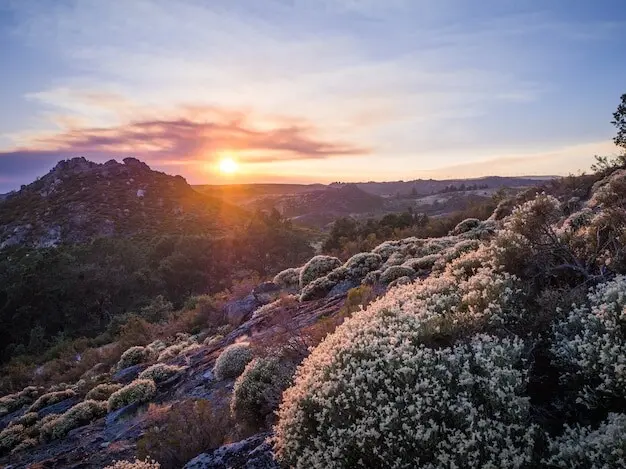
Explore a month-by-month light and weather guide for photographing Orkney’s stone circles, from the low, honeyed winter sun to the ethereal simmer dim of midsummer. Learn seasonal patterns, practical timing, local quirks, and heartfelt field wisdom gathered through windy dawns, soaking squalls, and unforgettable, silver-blue twilights.

The Year the Sky Hangs Low: Understanding Latitude 59°N
At this northerly latitude, the sun never rushes and shadows stretch like stories. Winter delivers languid arcs of light almost all day; summer trades darkness for silver twilight that barely deepens. Knowing how these slow shifts transform texture on weathered stone empowers planning, improvisation, and creative patience. Read on, compare your notes, and tell us which months surprised you most with mood, color, and unrepeatable sky dramas.

Weather That Paints the Stones

Orkney’s skies change with theatrical speed. Atlantic lows bring roaring wind, rain curtains, and sudden shafts of brilliance across the lochs flanking the rings. Between fronts, air scrubs clean and colors sing. Learn to read forecasts, but never forget the cliff-edge truth: being present matters more. Log your observations, compare them with ours, and post quick reports to help others catch those precious, fifteen-minute miracles of light.

Sunpaths, Moonlight, and Northern Lights

At this latitude, solar and lunar angles reshape compositions month to month. Sunrises and sunsets slide wide around the horizon, creating backlights one week and side-lighting the next. Moonlit nights reveal chiselled textures without harsh contrast, while autumn and winter sometimes gift aurora unfurling behind silhouettes. Use planning tools, scout responsibly in daylight, and share your timing wins so others can meet that same luminous edge of luck.

Predicting Gold and Blue Hours at High Latitude

Golden hour can last beautifully long in winter, and blue hour softens into a painter’s glaze. Track civil, nautical, and astronomical twilight, because midsummer barely delivers the latter. Apps help, but your feet and notes are wiser. Walk the ring paths, note foreground puddles, and record wind shelter spots. After experimenting, comment with your most reliable month-and-azimuth pairings that turned ordinary frames into resonant, time-rich scenes.

Moon Phases, Textures, and Night Safety

A waxing gibbous can carve detail across standing stones, while a slim crescent preserves starry context. Balance illumination against exposure time to keep clouds silky yet stones tack-sharp. Wear reflective accents, bring spare warm layers, and tread gently along marked paths. If you’ve perfected a moonlit workflow that maintains atmosphere without harsh hotspots, post your settings and field tricks so others can adapt them respectfully and safely.

Aurora Chases Without Disrupting the Sites

Geomagnetic storms sometimes curtain the northern sky in green and magenta. Scout by day to avoid trampling, keep headlamps dim and shielded, and stand clear of archaeology. Use fast primes and moderate ISOs to preserve color fidelity. When the lights arrive, breathe, simplify compositions, and let silhouettes carry emotion. Afterward, share your Kp thresholds, wind considerations, and gentle etiquette reminders, ensuring wonder never comes at the landscape’s expense.

Field Notes for Brodgar, Stenness, and Their Companions

Ring of Brodgar: Circling Wind, Water, and Backlight

Walk the ring slowly, noting how lochs frame stones as the sun crawls along the horizon. Backlight makes edges glow; side-light reveals inscriptions of lichen and weather. In calmer spells, reflections stitch sky and circle into one continuous arc. Carry patience, a cloth, and humility toward gusts that rearrange plans. After your loop, map favorite vantage pairs and share them, helping others balance wind with water-borne symmetry.

Stones of Stenness: Minimal Drama and Powerful Silhouettes
Fewer stones mean simpler lines and bolder gestures. Use low, raking light or deep blue hour to sculpt negative space around those towering slabs. Consider kneeling perspectives to elongate silhouettes against sweeping cloud bands. Keep foot traffic light and paths respected. If you’ve discovered foreground grasses or puddles that amplify that monumental stillness without clutter, write in with coordinates and respectful notes so compositions remain sustainable for everyone.

Outliers: Watch Stone, Barnhouse, and the Comet Stone

These solitary stones extend stories beyond the circles, linking water, tracks, and far horizons. They excel in transitional light—post-shower gleam, simmer-dim glow, or moonlit hush. Use them as anchors in layered scenes that pull the eye across moor, water, and distance. Maintain generous space around archaeology, avoid trampling wet ground, and share any gentle routing tips that keep both images and the landscape beautifully intact for future visitors.

Gear, Fieldcraft, and Resilience

Wind, spray, and sudden chill shape your craft here as surely as light. A sturdy tripod with spikes, a weight bag, and weather-sealed lenses matter. So do layered clothing, dry bags, microfiber cloths, and hot tea. Build a rapid, repeatable workflow for wiping, composing, and resetting exposure in gusts. After testing, report what gear truly earned its place and which comforts kept you shooting joyfully through squalls and silver dawns.

01

Tripods, Spikes, and Wind-Damping Tricks

Lower your tripod, widen stance, and keep the center column down. Spike into turf or gravel, then add a weighted bag that doesn’t swing. Use your body as a windbreak. Shoot bursts to capture the sharpest micro-moment between gusts. Share your best stabilization hacks and which leg locks or hook systems survived Orkney’s restless air without creeping, especially during long, dreamy exposures that turn clouds into brushstrokes.

02

Weatherproof Workflow: Dry, Clean, Ready Again

Carry absorbent cloths in multiple pockets, a silicone blower, and a lens hood to shield drops. Work in cycles: compose, wipe, shoot, check corners for water pearls, repeat. Protect your bag opening from spray, and stash a spare base plate. Tell us your efficient ritual for recovering after a soaking squall, including how you safely dry gear back at base, preventing fogged elements and stubborn salt crystals.

03

Comfort, Courtesy, and Ground Care

Warm layers, waterproof gloves, and a light thermos preserve focus when winds bite. Respect fences, path edges, and soft turf, especially after rain. Avoid climbing stones or henge banks and keep lighting subtle at night. Greet fellow photographers and share space kindly. If you’ve refined a simple kit that balances comfort, agility, and leave-no-trace principles, post it below to help keep these delicate sites welcoming for everyone.

Winter Playbook: December to February

Expect short days, long golden windows, and muscular weather. Aim for backlit edges after squalls, or mirror-calm breaks on the lochs at dawn. Pack spikes, cloths, and a thermos. Bracket in side-wind. If sleet arrives, shelter your lens behind your body and wait ten minutes; light often bursts through. Share your favorite sun azimuths, wind directions, and any hidden nooks that cut gusts without straying from marked paths.

Edge Seasons: March to May, September to October

These months balance manageable nights, generous twilight, and lively skies. Seek crisp mornings post-front, delicate grasses for scale, and gentle pastel sunsets mirrored across puddled paths. September and October add storm drama and lingering warmth in tones. May delivers fast changeovers and migrating cloud textures. Test polarizers lightly. Swap sunrise and sunset scouting notes with readers, and tell us which days taught you flexibility when forecasts looked misleading yet magic arrived anyway.
Vexovarokento
Privacy Overview

This website uses cookies so that we can provide you with the best user experience possible. Cookie information is stored in your browser and performs functions such as recognising you when you return to our website and helping our team to understand which sections of the website you find most interesting and useful.