Skies in Flux Over Orkney's Ancient Rings

Join us as we explore how climate trends could change light phenomena at Orkney’s stone circles, connecting shifting cloud patterns, humidity, and seasonal timing with sacred alignments, auroral nights, and moonlit rituals. Expect practical guidance, historical insight, and community voices shaped by wind, salt spray, and centuries of watching horizons.

Reading the Stones by Sun and Season

From Maeshowe’s midwinter beam to the sunset corridors at the Stones of Stenness, sunlight has long choreographed gatherings and memory. With warmer seas and altered storm tracks, clearer windows may bunch into brief bursts, while persistent cloud decks could soften edges, shift hues, and recast anticipated moments.

Aurora, Moon, and the Dancing North

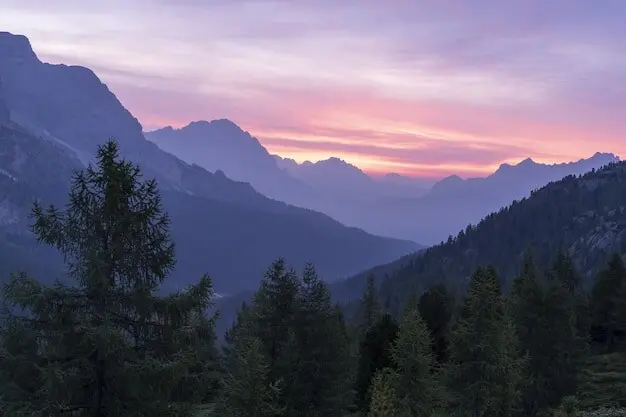
Orkney sits beneath lively geomagnetic skies, where emerald curtains and lunar arcs once met silent stones. Increased cloudiness and maritime haze could mute auroral brilliance, yet clearer polar nights may cluster in brisk northerlies. The great lunar standstill cycle still returns, but visibility windows may narrow unpredictably.

Weather Patterns Writing New Scripts

Model ensembles for the North Atlantic point to shifting storm tracks, stronger winter winds, and milder, damper air. For observers at Brodgar or Stenness, that translates into different waiting games, with rapid clearings behind squalls, fewer frosts, and new color palettes as aerosols and humidity mingle.

Storm Tracks and Windows of Clarity

When lows race east, a clean slot can open as skies scrub bright in polar air. Watch pressure rises and dewpoint drops; they foretell sharp light and sculpted clouds. Patience after rain becomes strategic, revealing sunshafts gilding stones and rainbows arching like celestial causeways across the loch.

Warmer Air, Different Ice Crystals

Ice halos and pillars thrive on specific crystal habits that depend on temperature profiles aloft. With fewer intense cold snaps, halo displays may become rarer yet still possible in high winter outbreaks. Observers should document occurrences carefully, noting wind direction, temperature, and solar elevation to track subtle long-term change.

Smoke, Dust, and Volcanic Veils

Wildfire plumes from distant continents and Icelandic ash occasionally drift across Scotland, painting twilights with uncanny purples. Changing circulation could alter frequency and seasonality. While dramatic, such veils degrade alignments for measurement. Carry protective filters, record aerosol indices, and treat each unusual evening as both spectacle and dataset.

Archaeology Meets Climatology

Interpretations of stone orientations rely on light meeting architecture at meaningful times. As observation conditions evolve, researchers are revisiting archives and remeasuring sightlines. Collaborative campaigns across several years can disentangle cultural intent from weather noise, strengthening arguments while fostering local stewardship and a renewed sense of living connection.

01

Ritual Timings and Seasonal Signals

Ethnographic parallels show calendars anchored by first light on a threshold or the last glint on a kerb stone. If climate compresses clear days, ceremonies might adapt across multiple evenings. Recording adaptations today could illuminate how ancient communities flexed traditions during streaks of storm or mist.

02

Lidar, Photogrammetry, and Sun Paths

High-resolution models let teams test how beams enter chambers under many sky states. By pairing simulations with field logs, we learn whether color shifts or refraction displace highlights. These blended methods create open datasets that students, locals, and visitors can explore, nurturing shared guardianship grounded in evidence.

03

Community Science and Oral Memory

Islanders carry weather lore shaped by fishing, farming, and long winter nights. Inviting them to note first aurora after harvest or earliest solstice beam after storms accelerates knowledge. A patchwork of journals becomes a resilient archive, balancing instruments with stories that keep stones speaking across generations.

Planning Visits and Responsible Watching

Changing seasons ask for flexible plans. Build buffers, prepare for damp winds, and respect fragile archaeology. Use ferry forecasts, aurora alerts, and sky brightness maps to choose nights with promise. Above all, let patience and care guide every step so wonder never outweighs conservation or community well-being.

Choosing Dates by Data Not Hunches

Historical cloudiness charts, dewpoint climatologies, and tidal cycles all refine timing for sunrise corridors and auroral arcs. Combine them with solar and lunar ephemerides, then hold options loosely. Leave space for backup dawns and alternate viewpoints to avoid crowding, ensuring shared access and quiet reverence at each circle.

Fieldcraft in Wet, Windy Windows

Salt spray coats lenses, tripods sink in sodden turf, and sudden gusts topple carelessly placed gear. Pack microfiber cloths, stable supports, and weatherproof layers. Mark safe paths with minimal intrusion, and rehearse movements by daylight so night observations remain graceful, safe, and protective of delicate ground.

Start a Light Log at the Circles
Create a simple ledger listing date, time, wind, cloud type, visibility, and what you witnessed at each monument. Even brief entries build patterns. Over months and years, your observations will complement models, guiding artisans, researchers, and neighbors toward better predictions and more meaningful gatherings under shifting skies.

Share Data, Share Wonder

Post responsibly to local groups, open databases, and galleries that document Orkney skies. Pair every stunning image with weather notes and exact coordinates. Your generosity helps reduce duplication, reveals blind spots, and invites collaboration, sustaining a circle of knowledge as resilient as the stones themselves.

Protect the Night for the Next Century

Support policies that shield darkness, champion low impact tourism, and invest in education for young observers. When infrastructure proposals surface, ask designers about glare, color temperature, and curfews. Each thoughtful question becomes a safeguard, keeping horizons honest and alignments legible as weather changes test patience and craft.
Vexovarokento
Privacy Overview

This website uses cookies so that we can provide you with the best user experience possible. Cookie information is stored in your browser and performs functions such as recognising you when you return to our website and helping our team to understand which sections of the website you find most interesting and useful.