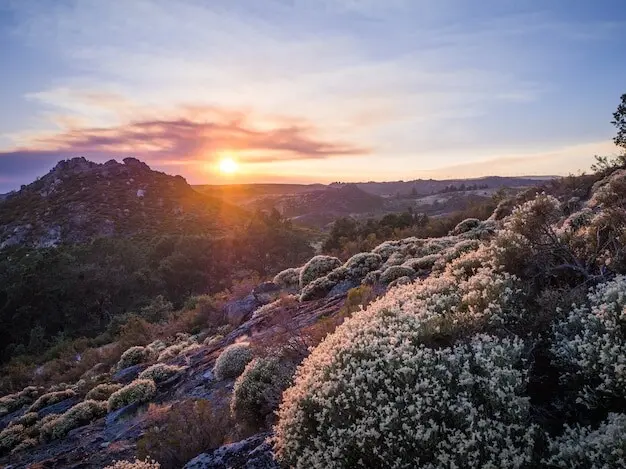
When Sun and Moon Orchestrate Stone and Horizon

Step into Orkney’s ancient heart as we explore the solar and lunar alignments of the Ring of Brodgar and the Stones of Stenness, tracing how light, shadow, and horizon interplay across seasons, stories, and stonecraft, and how careful observation reveals intentions, uncertainties, and living connections between sky, water, and people today.

Contours That Aim the Gaze

Edges of distant hills, shallow notches, and the waterline across Harray and Stenness act like subtle rulers. From chosen stances, a sunrise or moonrise appears to graze a particular ridge, anchoring attention, guiding footsteps, and transforming a wide landscape into a precise, repeatable line of sight remembered in story.

Stones as Social Coordinates

Placement may have mattered as much for people as for skies. Tall, blade-like pillars and gaps could manage movement, assembly, and viewing order, encouraging some to witness first, others to follow, and communities to synchronize emotions with the slow approach of light or the dramatic arrival of the moon.

Caution Before Certainty

Archaeoastronomy thrives on patience. Erosion, missing stones, and changed horizons complicate confident claims. Working hypotheses emerge by testing angles, documenting seasons, and comparing with nearby monuments, recognizing that practical uses, ceremony, and aesthetics may overlap, leaving purposeful ambiguity that invites humble observation instead of easy, absolute conclusions.
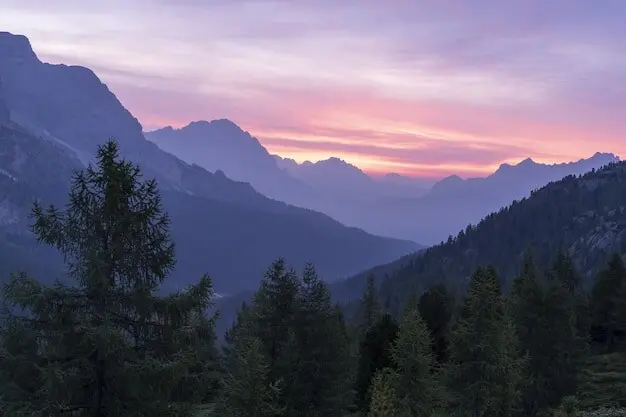
Midwinter Light Returns

Near the darkest days, sunsets linger low, horizons glow longer, and reflections on still water double the spectacle. In this neighborhood, Maeshowe’s celebrated passage shows how precision could matter; nearby circles and monoliths might have framed complementary views that welcomed returning light and reinforced resilience through shared anticipation.

High Summer’s Long Arcs

At midsummer, the sun barely leaves, circling shallowly and casting stretched shadows that slide across banks, ditches, and orthostats. Such movements could scaffold processions, pauses, and songs, as watchers note recurring alignments between distant hill crests, standing silhouettes, and the water’s bright, wavering edge throughout the short night.

Major Standstill Spectacle

During a major standstill, the moon’s path reaches its widest sweep, producing rise and set points beyond the sun’s extremes. From chosen vantage spots, this can make the disc skim low along horizons, nestle into landscape notches, or blaze across water, encouraging communal vigils, stories, and careful note-taking.

Minor Standstill Subtleties

Half a cycle later, subtler extremes return inside the sun’s range. If observers remembered past vantage lines, they could compare notes across generations, refining local horizon models and correcting for missing stones or changed sightlines, keeping knowledge alive through songs, seasonal tasks, and shared, sky-guided conviviality.

Simple Tools, Lasting Measures

Without metal instruments, watchers could still achieve impressive consistency using pebbles, posts, pacing, shadow lengths, and the edges of existent stones. Repeating observations through seasons builds a community ledger, where small discrepancies spark discussion, improved positioning, or renewed respect for uncertainty and the moon’s mercurial path.

Movement, Memory, and Meaning

Alignments are not only angles; they are choreographies of people. Footpaths across causeways, pauses near sentinel monoliths, and the dramatic crossing of thresholds encourage participants to embody sky cycles. Repetition embeds memories, while variations during weather or standstills add layers of surprise, humor, and renewed commitment.

Processions and Gateways

Approaches funneled by ditches and banks may have staged arrivals, turning the first glimpse of light or moon into a collective gasp. Gaps between tall stones can read as intentional portals, focusing attention outward to horizon targets and inward toward community, ancestors, and shared responsibilities during pivotal seasonal thresholds.

Sound, Silence, and Echo

Wind combs through narrow pillars, water laps, voices carry, and sudden quiet marks exact moments when something appears at the edge. These sonic cues synchronize bodies, steady breathing, and ready eyes, reinforcing how observation binds social groups through rhythm, expectation, and the joy of well-timed astonishment.

Stories That Teach the Sky

Lessons can travel as tales. By attaching a rise to a memorable character, place-name, or playful scene, communities transmit tricky sky knowledge without diagrams. Children learn where to look long before they understand declination, and adults carry dependable maps inside songs, jokes, and ritualized, seasonal gatherings.

Field Notes for Visiting Watchers

Preparing to look is part of the experience. Weather shifts fast; horizons differ by steps; and courtesy matters. Bring patience, warm layers, red lights, and a notebook. Let your eyes adapt, protect the ground, and consider how your presence can support conservation and respectful local relationships.

Evidence, Debate, and Your Part

Interpretations grow stronger when many eyes contribute. Precise sketches, GPS-free maps, horizon azimuth estimates using compass corrections, and seasonally repeated notes help test ideas fairly. Publishing null results matters too, preventing myths from hardening, and inviting renewed curiosity about what the stones were intended to frame or inspire.
Vexovarokento
Privacy Overview

This website uses cookies so that we can provide you with the best user experience possible. Cookie information is stored in your browser and performs functions such as recognising you when you return to our website and helping our team to understand which sections of the website you find most interesting and useful.